

Growing up in a Cuban household, some of the sweetest memories are made in the kitchen, and my dad's coco en almíbar is a recipe that holds a very special place in my heart. My dad was a talented and passionate chef in Cuba, and his ability to transform the simplest ingredients into something truly magical was a gift that he generously shared with our entire family. This dulce de coco recipe is not just a dessert, it is a cherished family recipe that has been lovingly passed down and made with the same care and dedication that my dad poured into every dish he created.
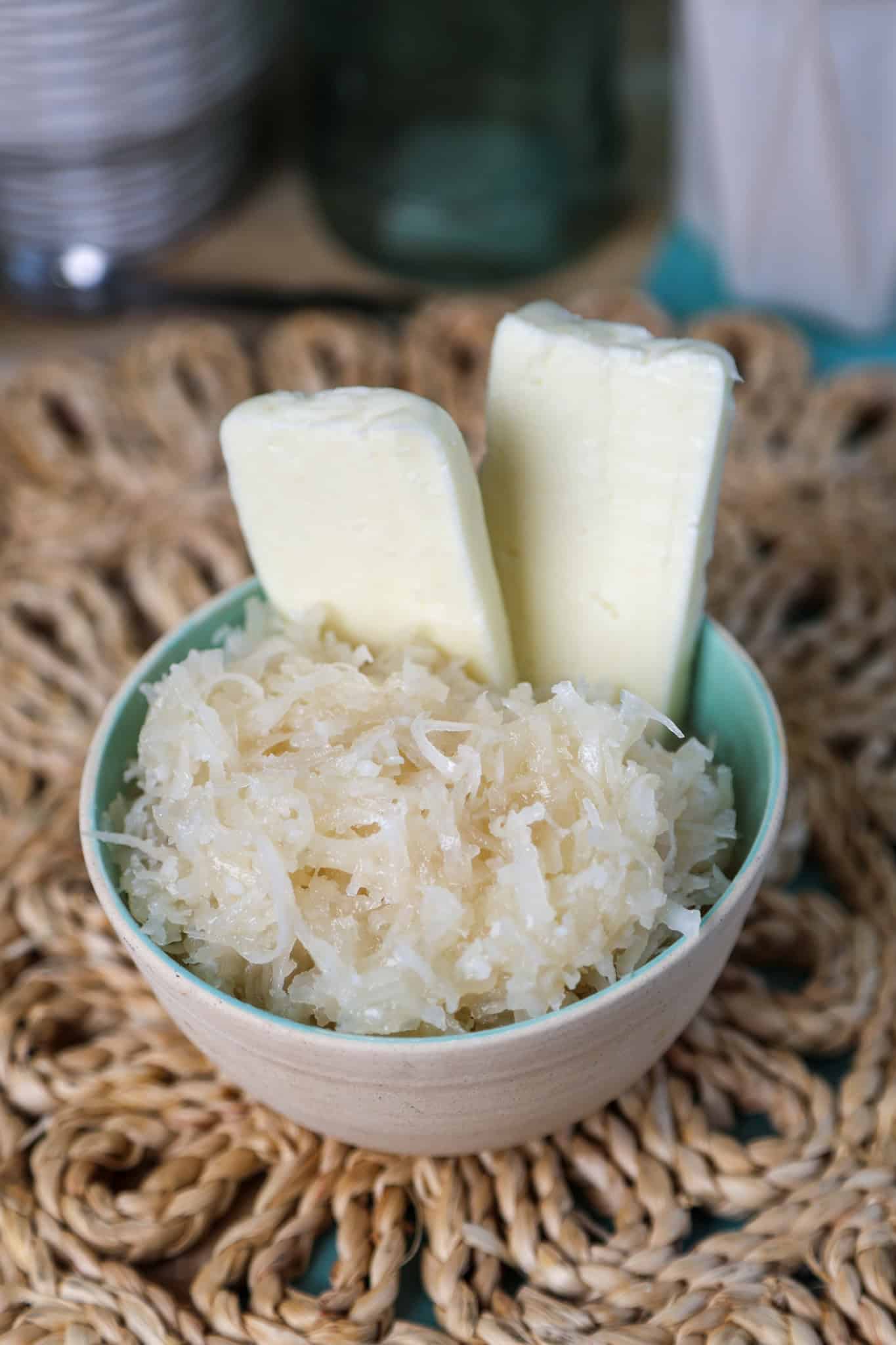
The combination of tender shredded coconut slowly simmered in a fragrant, syrup is a taste that instantly takes me back to my childhood, filling me with warmth, nostalgia, and an overwhelming sense of home. I am so proud to share this special family treasure with you, and I hope that every spoonful brings you as much joy and comfort as it has brought to our family for so many years.
Why you'll love this coconut in syrup
- Rich coconut flavor: Coco en almíbar is loved for its rich, tropical coconut flavor that feels both indulgent and refreshing. The sweet syrup enhances the natural taste, creating a comforting Caribbean dessert experience.
- Perfectly balanced: It has a perfectly balanced sweetness, where the coconut remains the star without being overwhelmed by sugar. This makes it enjoyable for a wide range of taste preferences.
- Five ingredient recipe: The recipe uses simple, accessible ingredients like coconut, sugar, and water, yet delivers bold flavor. Its ease of preparation makes it a favorite for both beginners and experienced cooks.
- Versatile dessert: Coco en almíbar is incredibly versatile and used in many Cuban pastries like pastelitos, cakes, and dessert fillings. It can also be served on its own, warm or chilled, or paired with other sweets for added texture and flavor.
- Make ahead dessert: It’s also a great make-ahead dessert, as the flavors deepen and improve over time when stored properly. This makes it convenient for gatherings, meal prep, or special occasions.
Key Ingredients needed for this coconut recipe
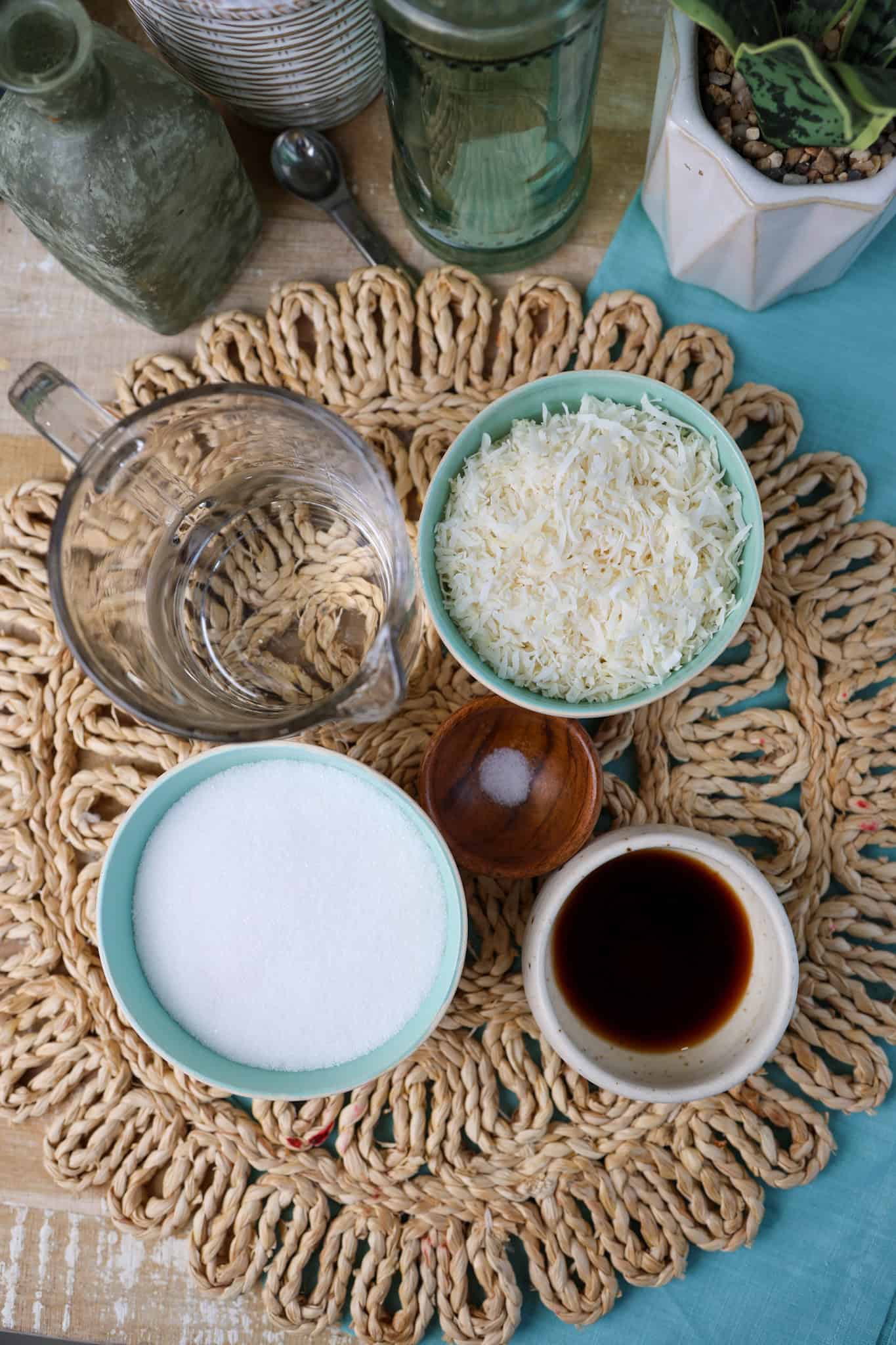
For a complete list of ingredients and quantitiues, please see the recipe card below.
- Sugar : Sugar is the backbone of the syrup in coco en almíbar, creating the rich, sweet almibar (syrup) that coats the coconut and gives the dessert its signature sticky, indulgent sweetness.
- Unsweetened Shredded Coconut : Unsweetened shredded coconut is the star of the dish, absorbing the sweet syrup beautifully while maintaining its natural coconut flavor and chewy, satisfying texture.
- Vanilla : Vanilla adds a warm, aromatic depth to the syrup that elevates the overall flavor profile, rounding out the sweetness and giving the dessert a rich, fragrant complexity.
- Salt : A small pinch of salt may seem minor, but it plays a crucial role in balancing the sweetness of the syrup and enhancing all the other flavors in the dish.
- Water : Water is essential for creating the almibar syrup, dissolving the sugar and allowing it to cook down into the thick, glossy coating that makes this dessert so irresistible.
How to make this dulce de coco
- Place the coconut, sugar, salt and water in a dutch oven and mix them together.
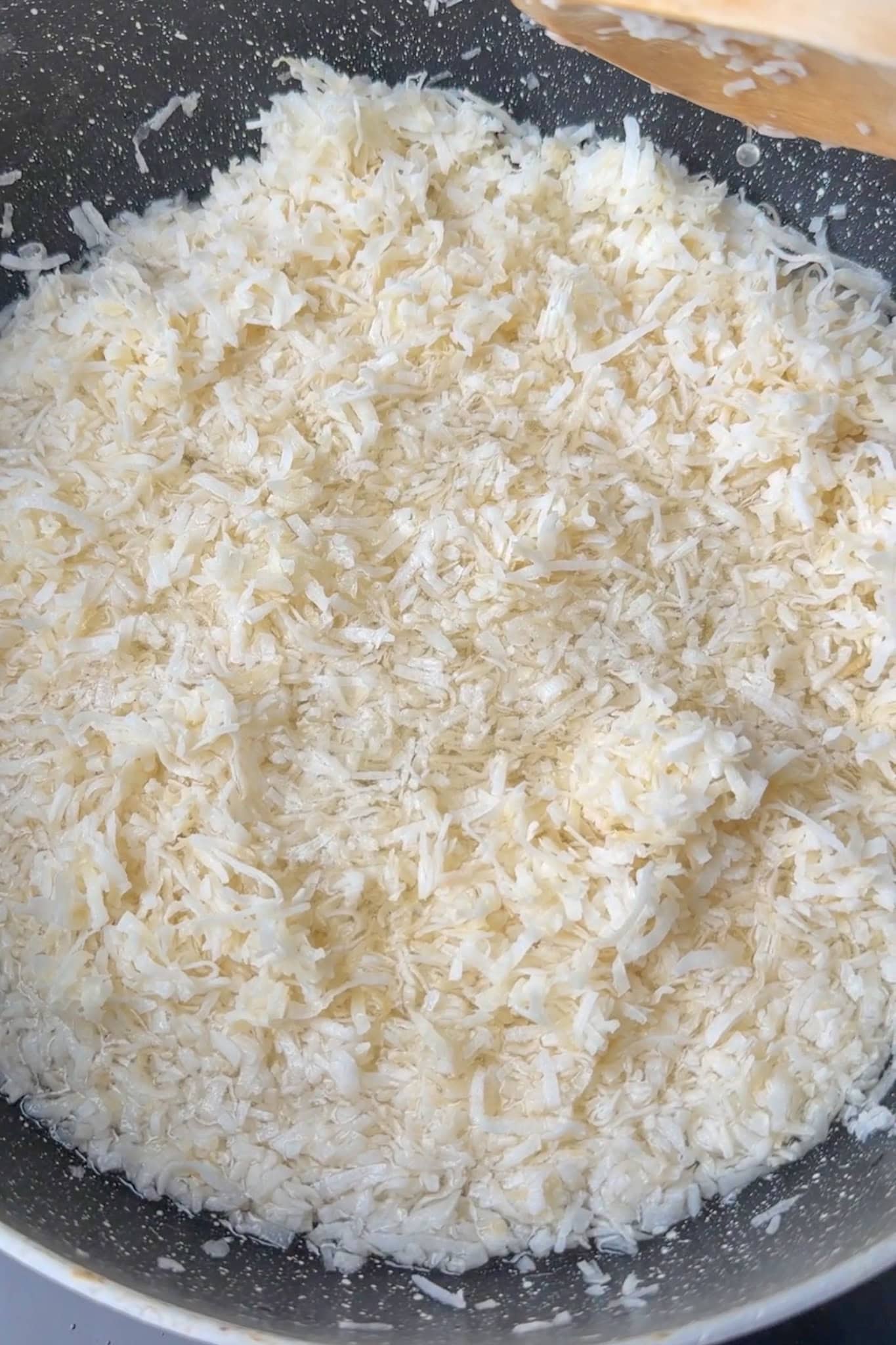
- Cook over low heat for approximately 45 minutes, stirring constantly. If using fresh coconut, do not overcook it, as it tends to become hard.
- Add the vanilla extract and coconut extract to the coconut and continue mixing for another 15 minutes.
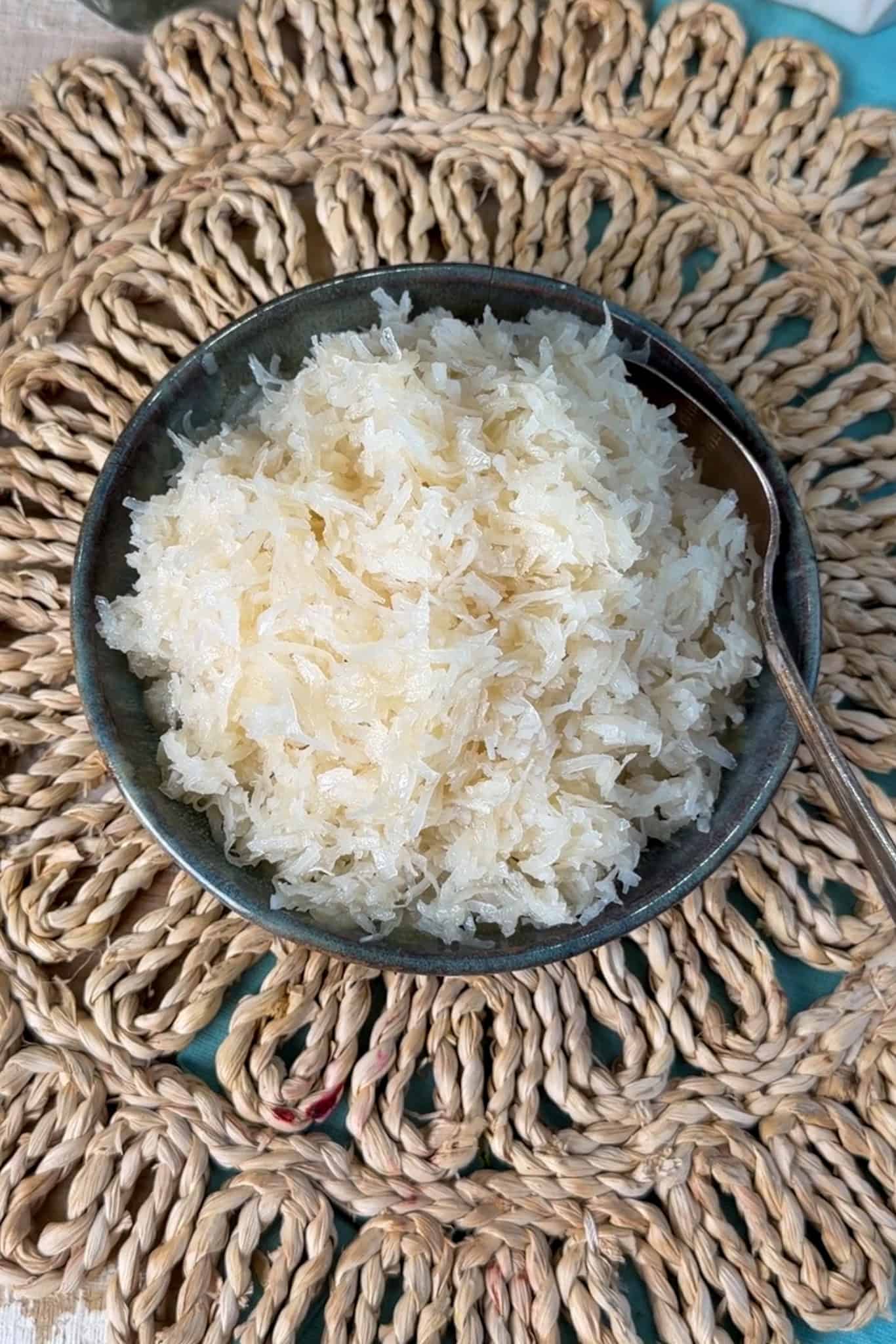
- Avoid letting the coconut dessert dry out too much. To know when it’s ready, you should be able to see the bottom of the pan when stirring.
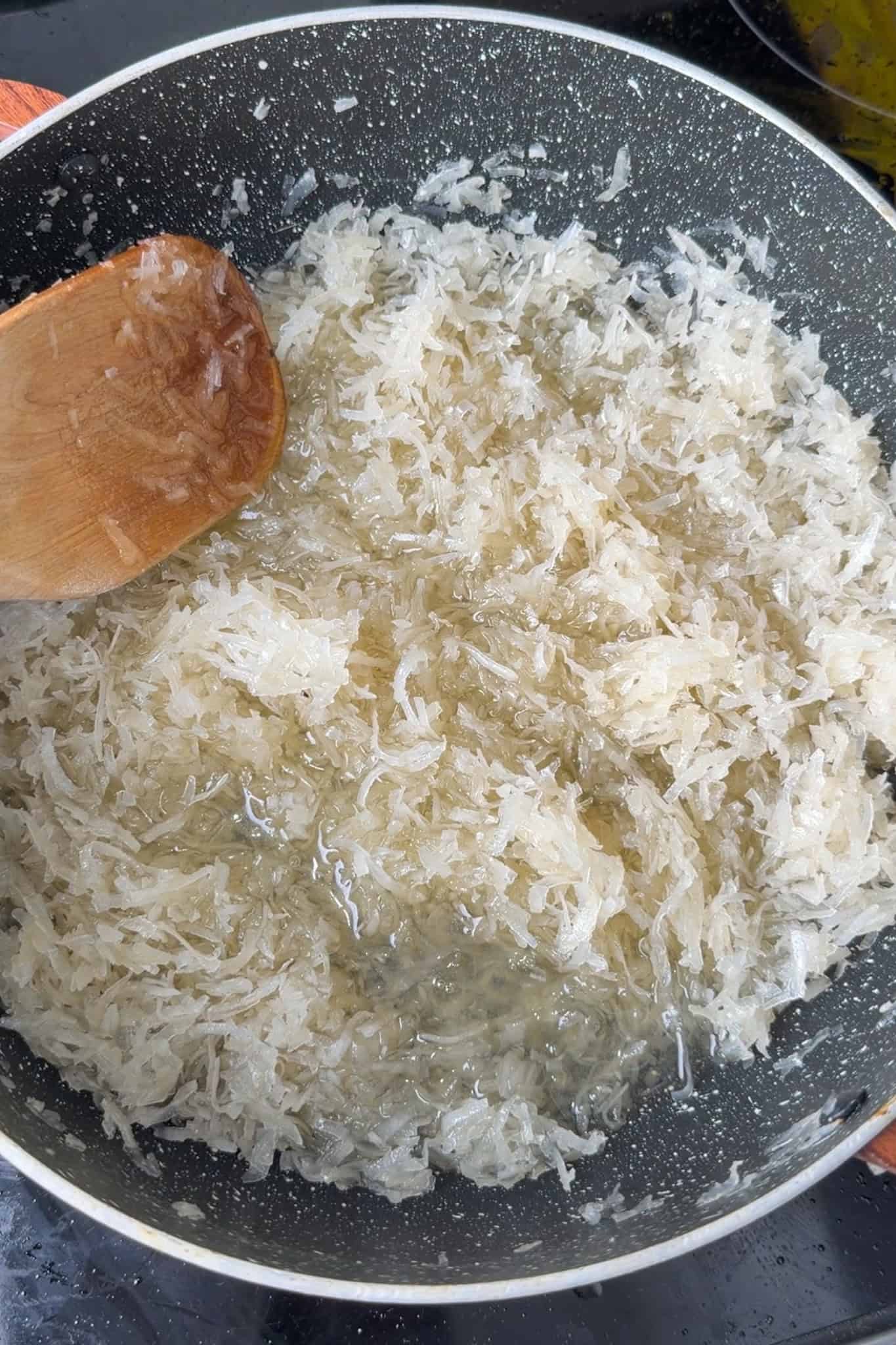
- Pour it into a glass container and let it cool.
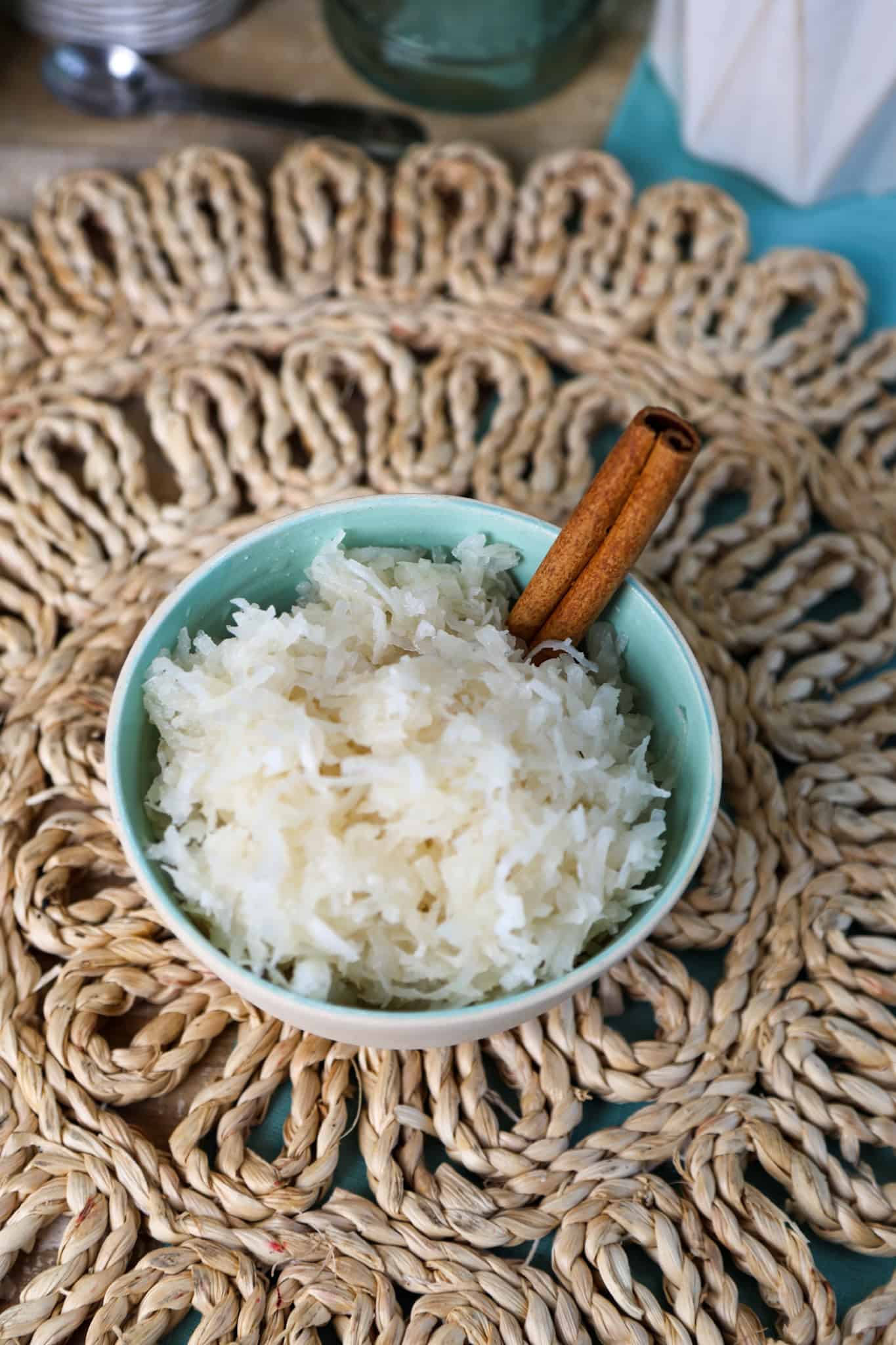
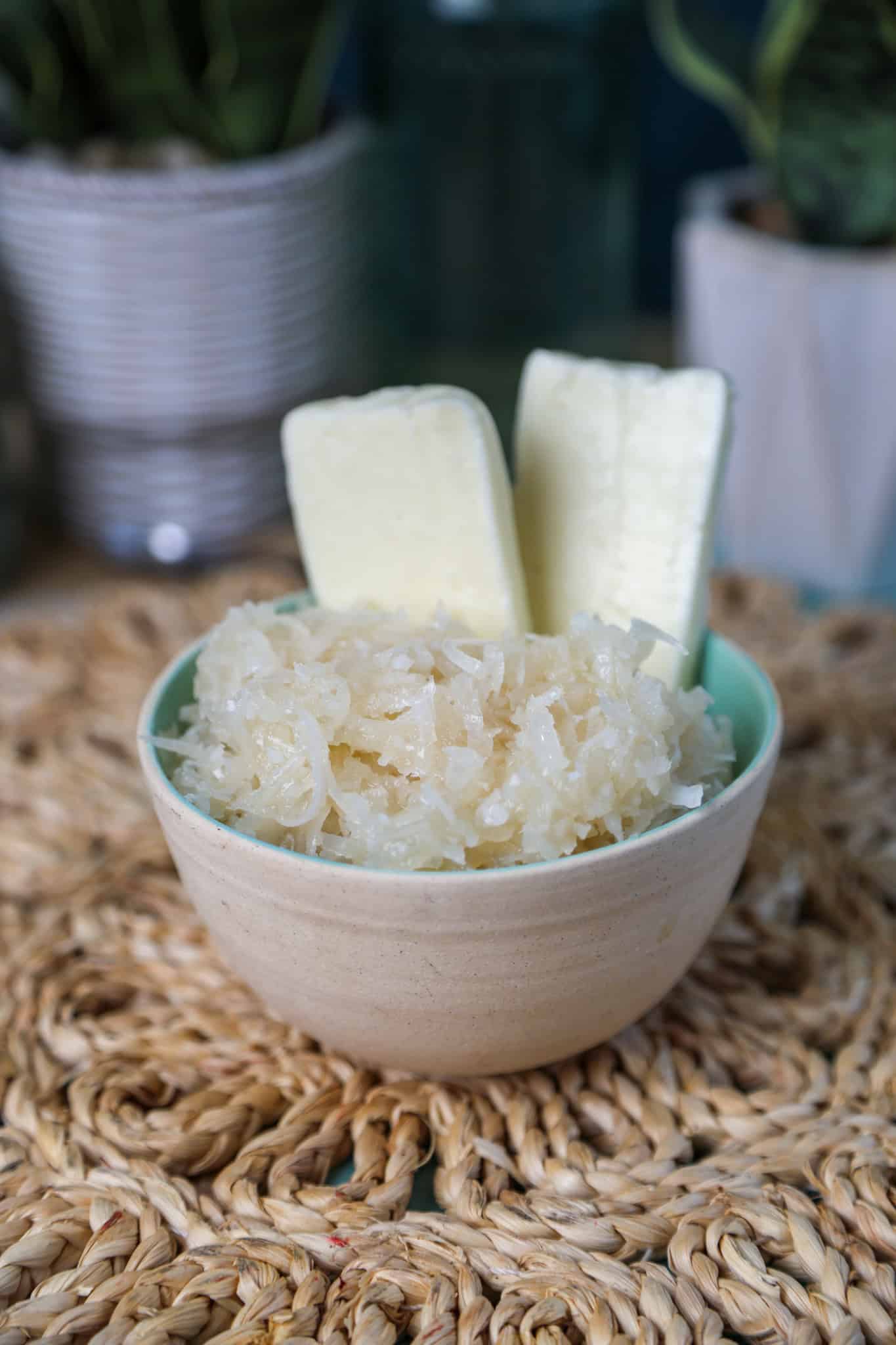
- Serve it cold, accompanied by a slice of white cheese, cream cheese or garnish with a cinnamon stick.
Variations and Substitutions for Coco en Almíbar
- Swap shredded coconut for fresh coconut
If you want a more authentic, richer texture, use freshly grated coconut instead of packaged shredded coconut. It absorbs the syrup differently and gives you a softer, more luxurious bite. - Adjust the sweetness level
You can reduce the sugar slightly for a lighter version or swap part of it with honey or piloncillo (panela) for a deeper, almost caramel-like flavor. Just don’t cut too much or you’ll lose that classic syrupy consistency. - Infuse the syrup with spices
Add a cinnamon stick, star anise, or even a strip of citrus peel (like lime or orange) while simmering. It subtly upgrades the flavor without changing the core identity of the dish. - Use coconut milk instead of part of the water
Replace some of the water with coconut milk for a richer, creamier version that feels more indulgent and dessert-like. This is especially good if you’re serving it on its own rather than using it as a filling. - Play with texture
If you prefer a jammy consistency, cook it longer to thicken the syrup. If you want it lighter and more spoonable for pastries, keep the syrup looser and slightly runny. - Vanilla alternatives
Swap vanilla extract for vanilla bean, or skip it and use almond extract for a slightly different—but still complementary—flavor profile. Go light here; almond can overpower quickly. - Make it ahead and intensify flavor
This actually improves after sitting. Make it a day ahead and let it rest—the coconut absorbs more syrup and the flavor deepens, which is exactly what you want if you're using it in pastries.
Storage Instructions for Coco en Almíbar
- Refrigeration (best option)
Allow the coco en almíbar to cool completely, then transfer it to an airtight container and refrigerate for up to 5–7 days. The syrup will thicken as it chills, but it loosens back up once brought to room temperature or gently reheated. - Freezing for longer storage
Store in a freezer-safe container or portion into smaller airtight bags and freeze for up to 2–3 months. Thaw overnight in the refrigerator and stir well before using to redistribute the syrup. - Reheating tips
If the mixture becomes too thick after chilling, warm it gently on the stovetop or in short intervals in the microwave, adding a splash of water if needed to loosen the syrup without diluting flavor. - Make-ahead advantage
This is one of those recipes that actually improves after sitting. Letting it rest overnight allows the coconut to fully absorb the syrup, giving you a richer, more cohesive texture—ideal for pastries or fillings. - Avoid leaving at room temperature
Because of the sugar syrup, it might seem shelf-stable—but don’t push it. Leaving it out too long can affect both texture and safety, especially in a warm kitchen.
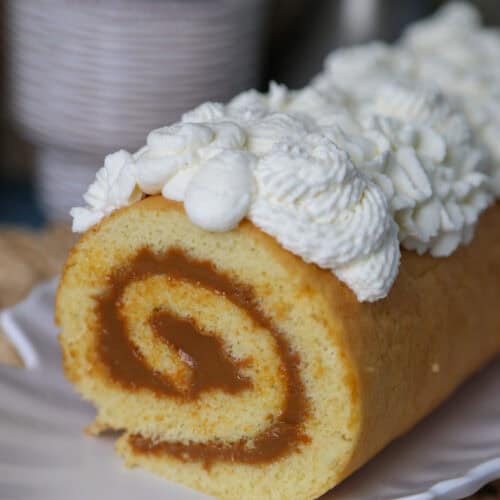
Try these other dessert recipes
Coco en Almibar (Coconut in Syrup)
Ingredients
- 3 cups unsweeted shredded coconut
- 2 cups granulated sugar
- 2 cups of water
- ½ teaspoon salt
- ½ teaspoon vanilla extract
- 1 teaspoon coconut extract
Instructions
- Place the coconut, sugar, salt and water in a dutch oven and mix them together.
- Cook over low heat for approximately 45 minutes, stirring constantly. If using fresh coconut, do not overcook it, as it tends to become hard.
- Add the vanilla extract and coconut extract to the coconut and continue mixing for another 15 minutes.
- Avoid letting the coconut dessert dry out too much. To know when it’s ready, you should be able to see the bottom of the pan when stirring.
- Pour it into a glass container and let it cool in the refrigerator for at least 2 hours.
- Serve it cold, accompanied by a slice of white cheese or garnish with a cinnamon stick.
Leave a Reply