

Flan de naranja, or orange flan, is a stunning twist on one of the most beloved custard desserts in the world, combining the rich, silky tradition of classic flan with the bright, citrusy sweetness of navel oranges. Growing up, some of my most cherished childhood memories were watching my dad, a talented chef in Cuba, carefully craft his traditional flan with love and precision. The smell of warm caramel filling the kitchen is something I will never forget.
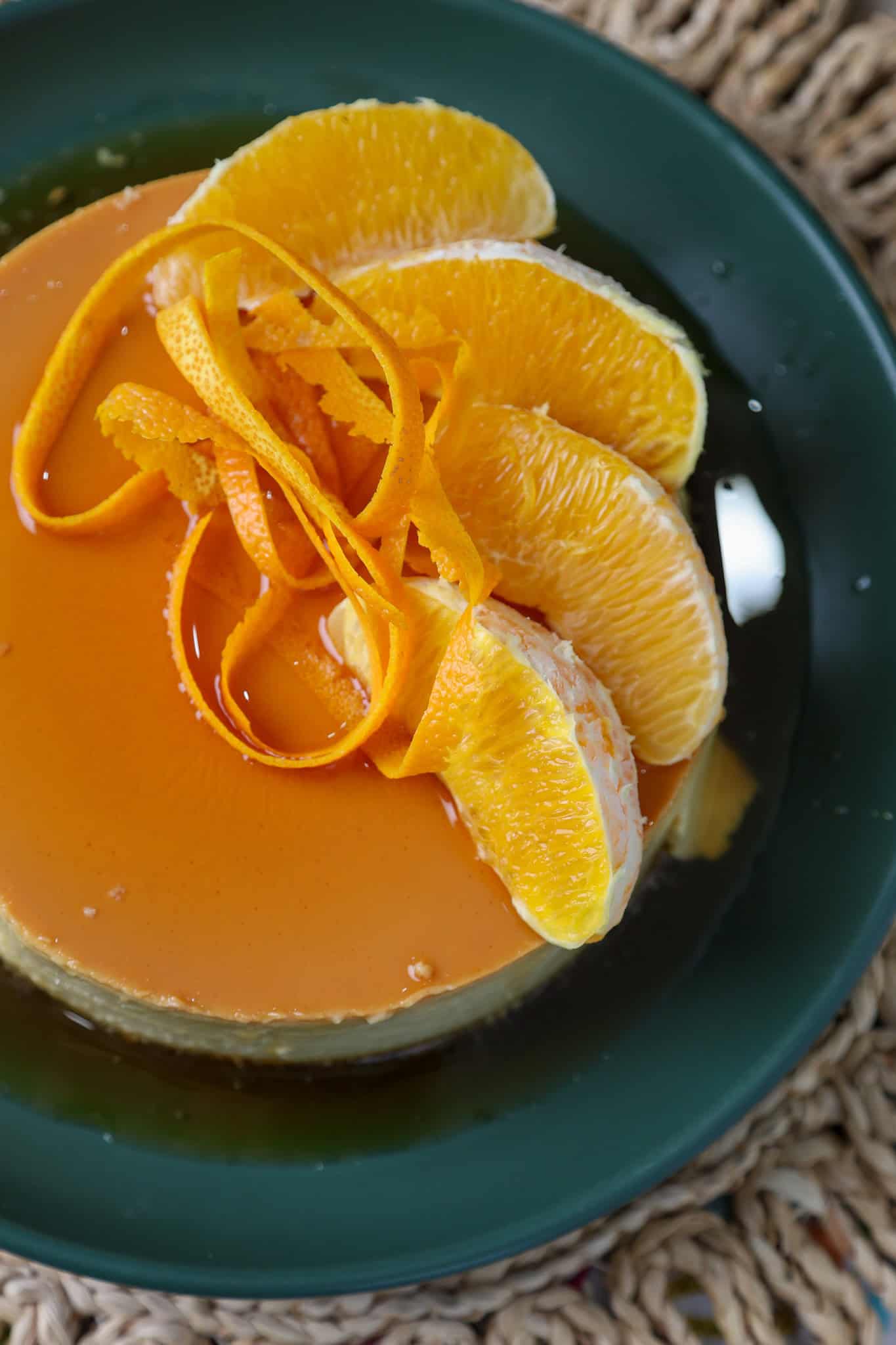
That deep appreciation for the art of flan inspired me to explore new variations of this timeless dessert, leading me to fall in love with this beautiful orange-infused version. What makes flan de naranja so special is not just its incredible flavor, but its rich culinary history. Orange flan recipes have been documented in Spanish cookbooks since the 1800s, proving that this citrusy combination has been winning hearts for over two centuries. Whether you are honoring a family tradition or discovering flan for the very first time, this recipe is sure to transport you to a place of warmth, sweetness, and pure joy.
Why you'll love this orange flan
- The bright, citrusy notes of navel oranges cut through the richness of traditional flan, creating a perfect sweet-tart balance.
- The silky, creamy custard texture pairs beautifully with the lightness of citrus.
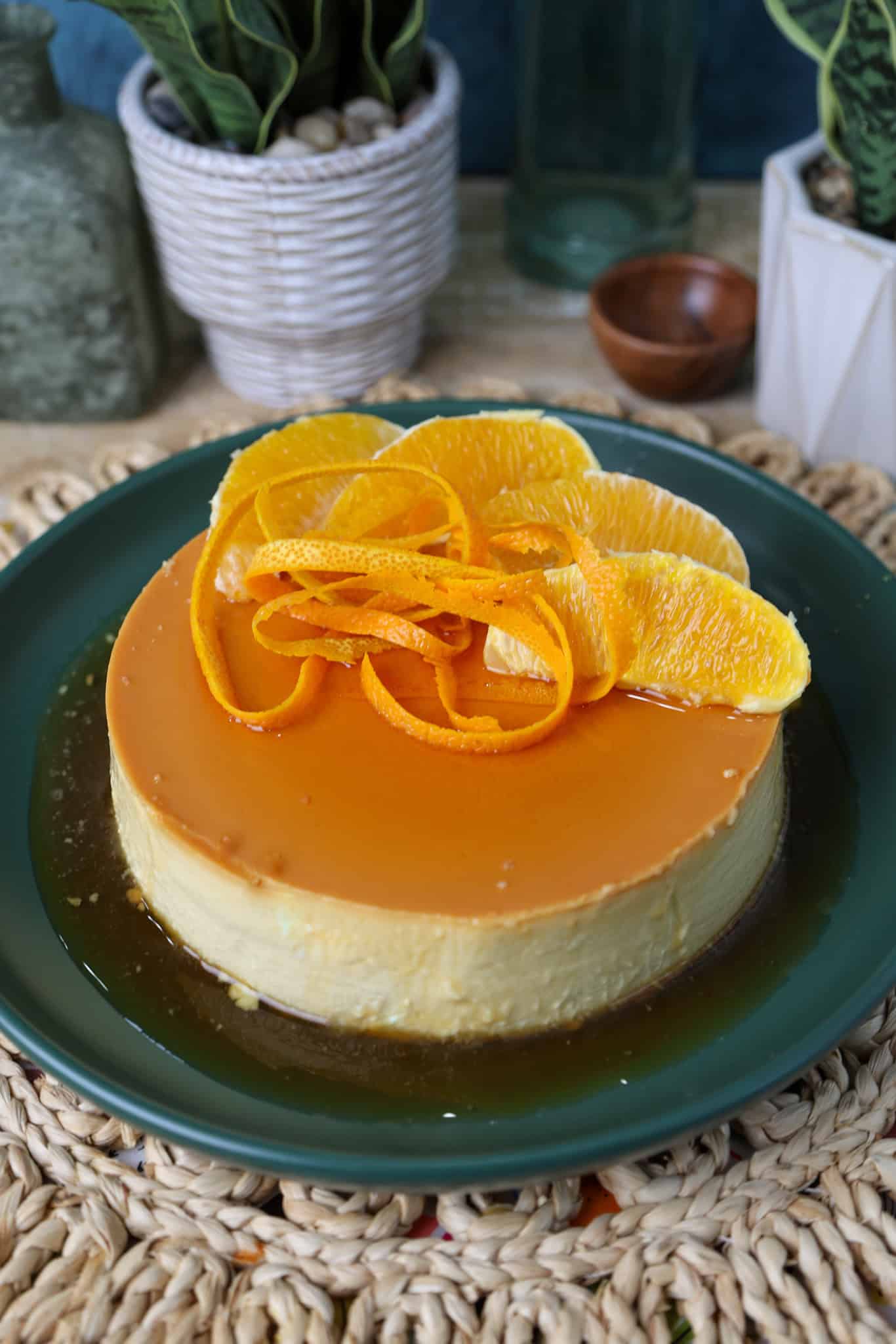
- Makes for an impressive, photogenic dessert.
- A great conversation starter, it's familiar yet unexpected.
- Pairs wonderfully with a mimosa, sparkling wine, or even a cup of café de olla.
- Orange-flavored flan has roots stretching back to the 1800s, making it a dessert with genuine culinary heritage.
Try these other flan flavors
What is flan?
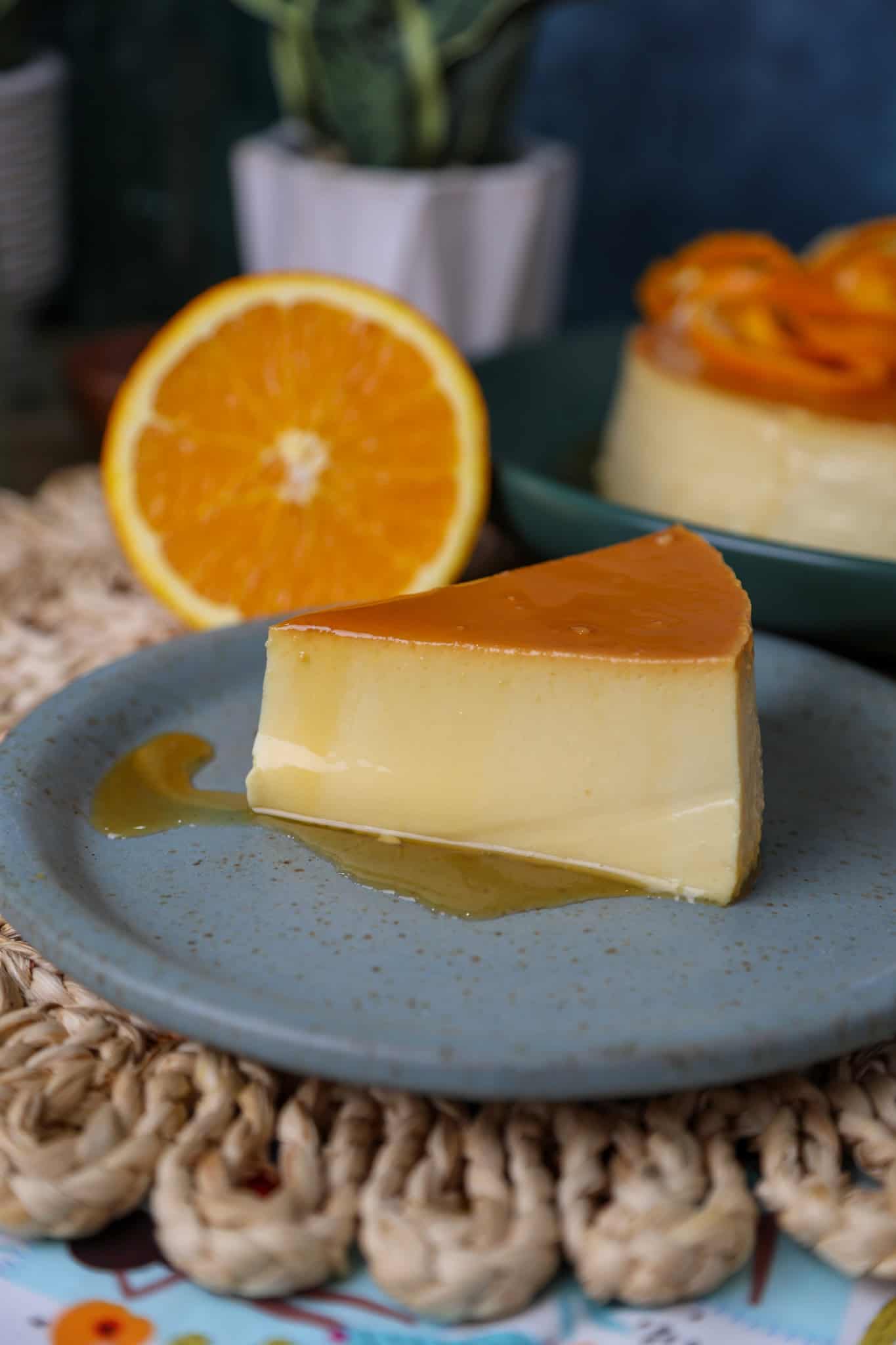
Flan is a smooth, creamy baked custard dessert made from simple ingredients like eggs, milk or cream, and sugar, and is beloved across many cultures including Latin America, Spain, and the Philippines. What makes flan truly iconic is its signature golden caramel topping, which is created by melting sugar into caramel and pouring it into the bottom of the mold before the custard is added.
When the flan is flipped upside down to serve, the caramel cascades beautifully over the top, creating a glossy, bittersweet glaze that perfectly contrasts the sweet, silky custard beneath. It is baked in a water bath called a bain-marie to ensure gentle, even cooking, and then chilled in the refrigerator before being unmolded onto a plate.
Orange flavored flan recipe tools
For this recipe, you'll need a flanera or a deep 7 inch cake pan, and a blender.
Key Ingredients for this flan de valencia
Navel Oranges
Fresh navel oranges provide the bright citrus flavor that makes orange flan unique. Their natural sweetness and fragrant zest add a fresh, vibrant taste to the custard.
Sweetened Condensed Milk
This ingredient adds rich sweetness and contributes to the silky, creamy texture that flan is known for.
Evaporated Milk
Evaporated milk balances the sweetness of the condensed milk while creating a smooth, custard-like consistency.
Eggs
Eggs are essential for setting the flan. As the custard bakes, they help thicken the mixture and give the flan its signature silky structure.
Sugar (for the caramel)
Granulated sugar is melted to create the golden caramel layer that coats the bottom of the mold and becomes a rich sauce when the flan is inverted.
How to make this flan naranja
Step 1: Making the Caramel
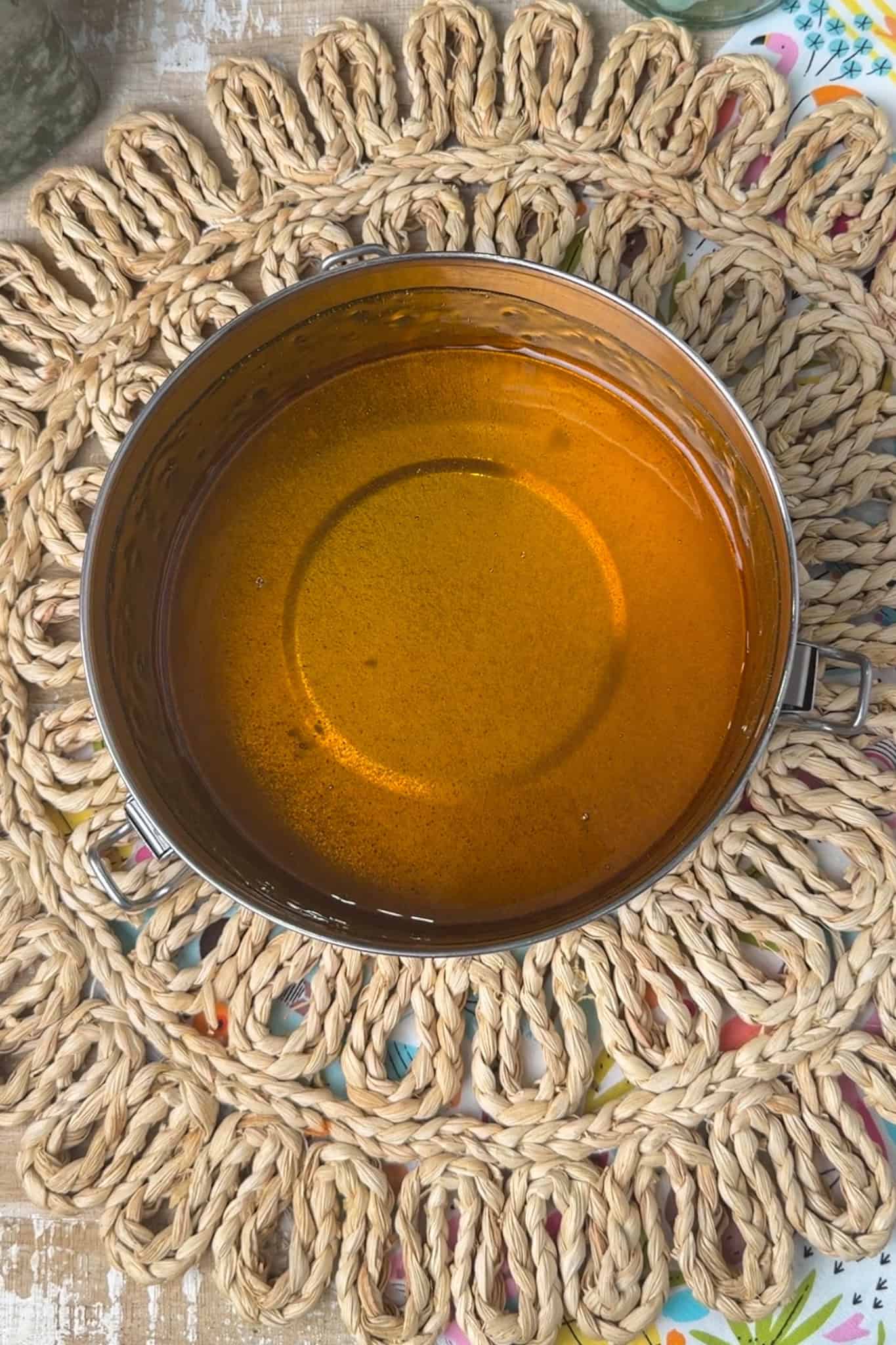
- Put the sugar and water in a small saucepan. Shake the pan first to half dissolve the sugar in the water. Then, over a medium-high heat, leave the caramel to form without stirring. Swirl the pan around a bit and wait until the caramel is medium to rich amber color, takes about 10-12 minutes. Be sure to keep an eye on it because it will burn very quickly.
- Pour the amber caramel into your flanera or large ramekin. Swirl the flanera carefully to make sure the entire base of it is well coated with the caramel. Set aside to cool so that the caramel sets.
Step 2: Prepare the custard
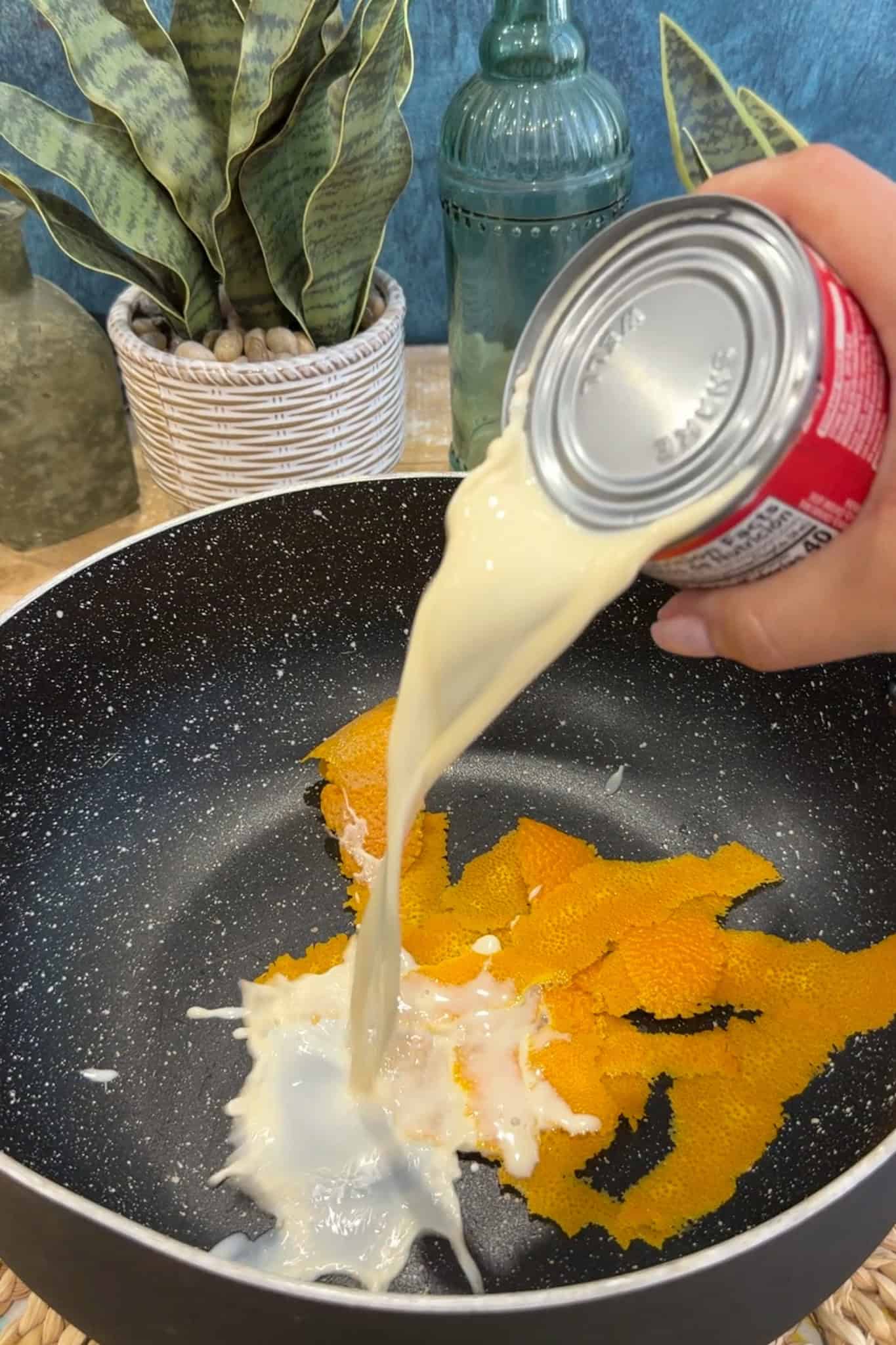
- In a large sauce pan or dutch oven place the orange peel, evaporated milk, condensed milk, salt and cream cheese. Place the sauce pan on the stove of low heat and allow to simmer for 15 minutes, stirring occasionally. This mixture should never boil, we're just trying to steep the orange zest so it can release the oils and infuse the milk with flavor. Do not be surprised if the cream cheese doesn't fully break down and is clumpy.
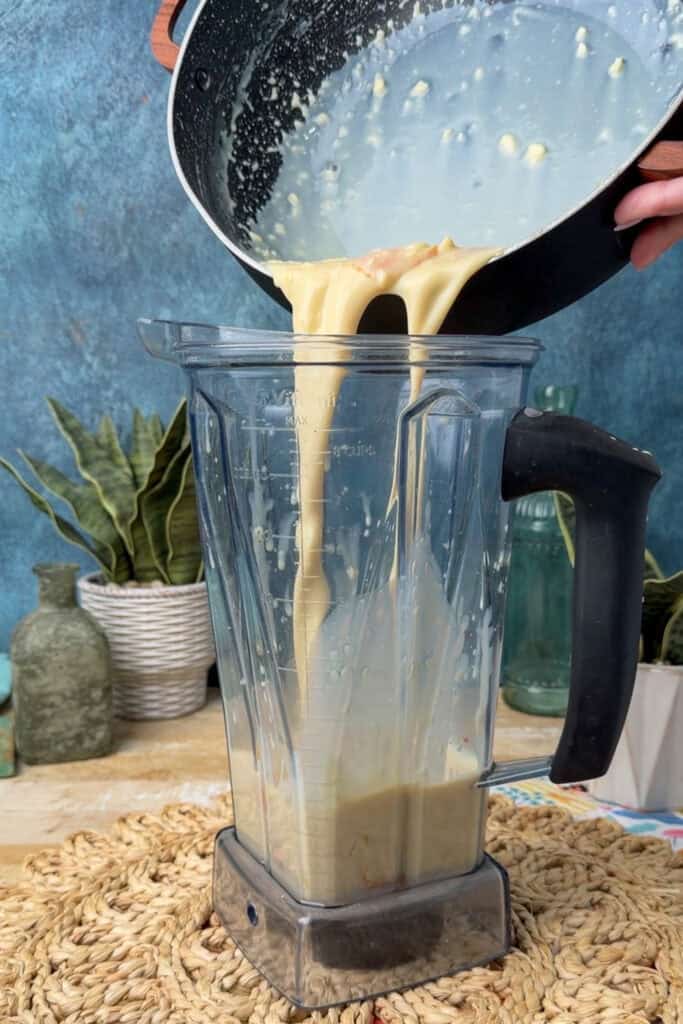
- Remove the sauce pan from the heat and allow the mixture to cool to room temperature. Transfer the entire contents of the sauce pan to your blender. Set the blender to slow speed and add the vanilla extract, grand marnier and eggs/egg yolk one at a time.
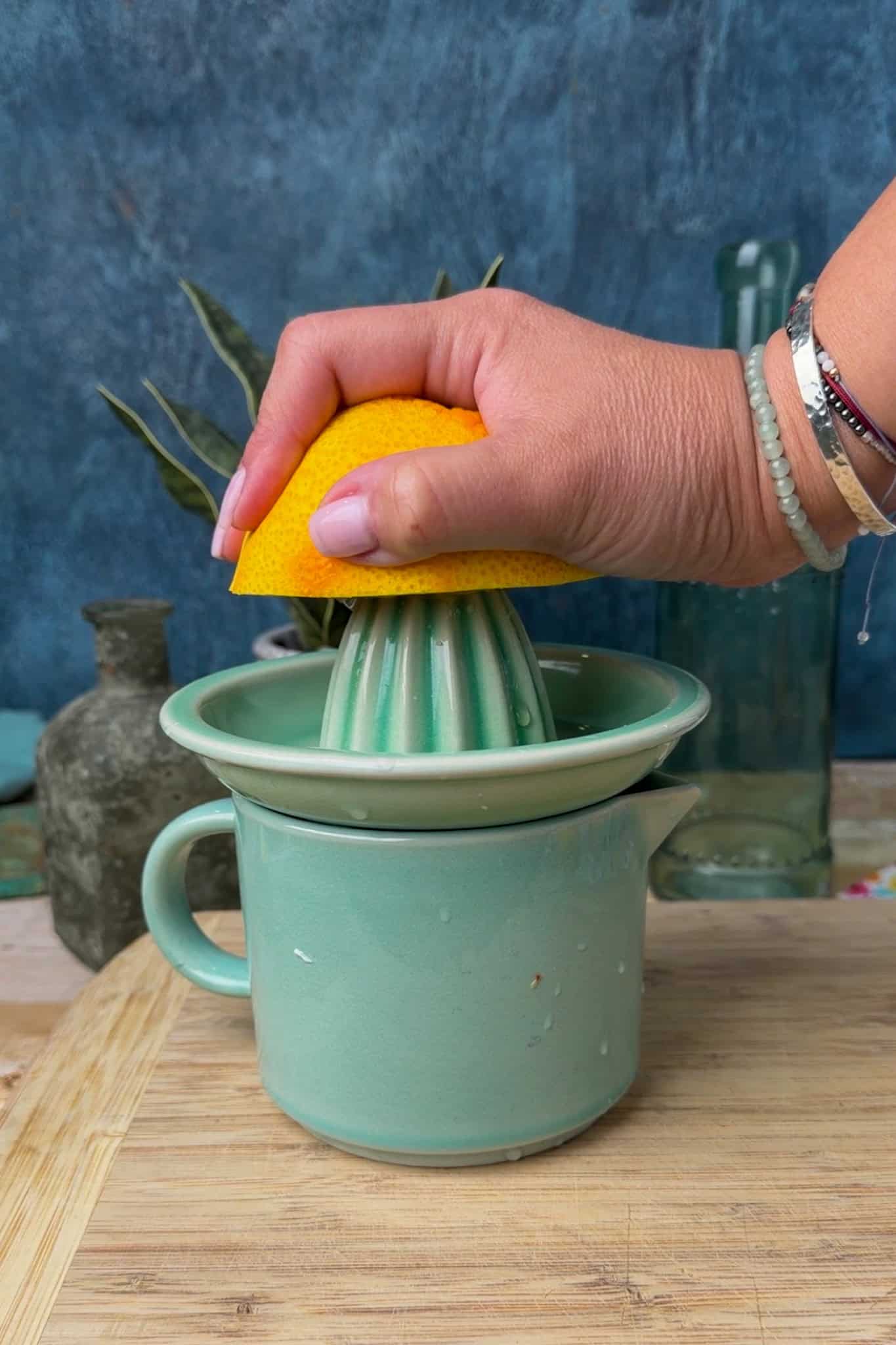
- Lastly, while the blender is mixing, very slowly pour in the strained fresh orange juice. By pouring it in slowly you avoid any curdling.
Step 3: Prepare to Bake
- Place your flanera or large flan ramekin inside a 9x13 pan.
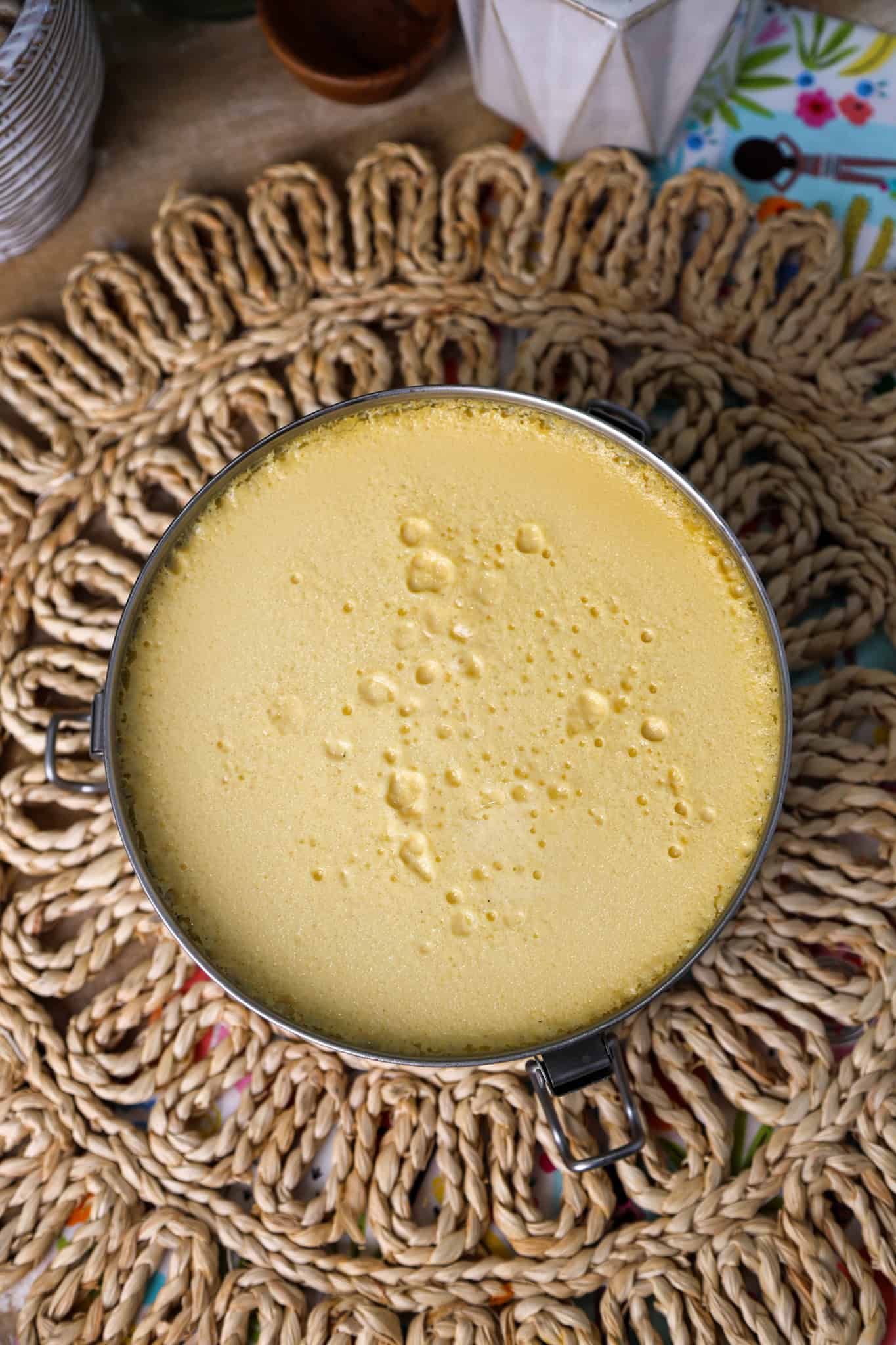
- Prepare to pour your flan custard into the flanera. While pouring it into the ramekin, have the custard mix go through a fine-mesh strainer to ensure any egg or orange zest bits don't make their way into your flan.
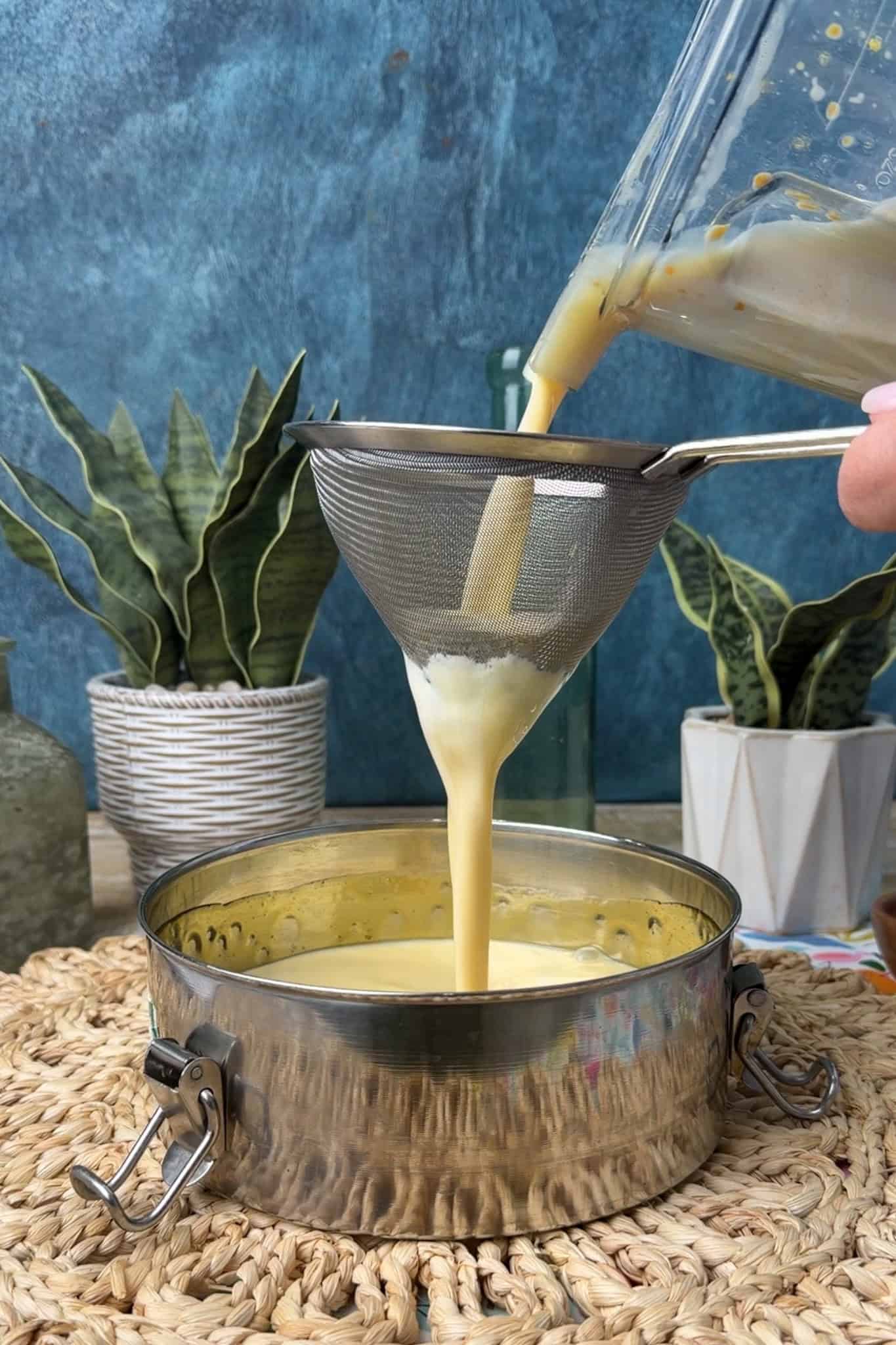
- Place the top on your flanera and pour in warm-hot water around the ramekin so that it comes to about half of the way up.
Step 4: Bake Flan
- Bake for 1 hour or until set. Remove from the oven carefully and allow to cool slightly on the counter. When cool, transfer to the refrigerator and chill for at least 4 hours.
Step 5: Flip Flan
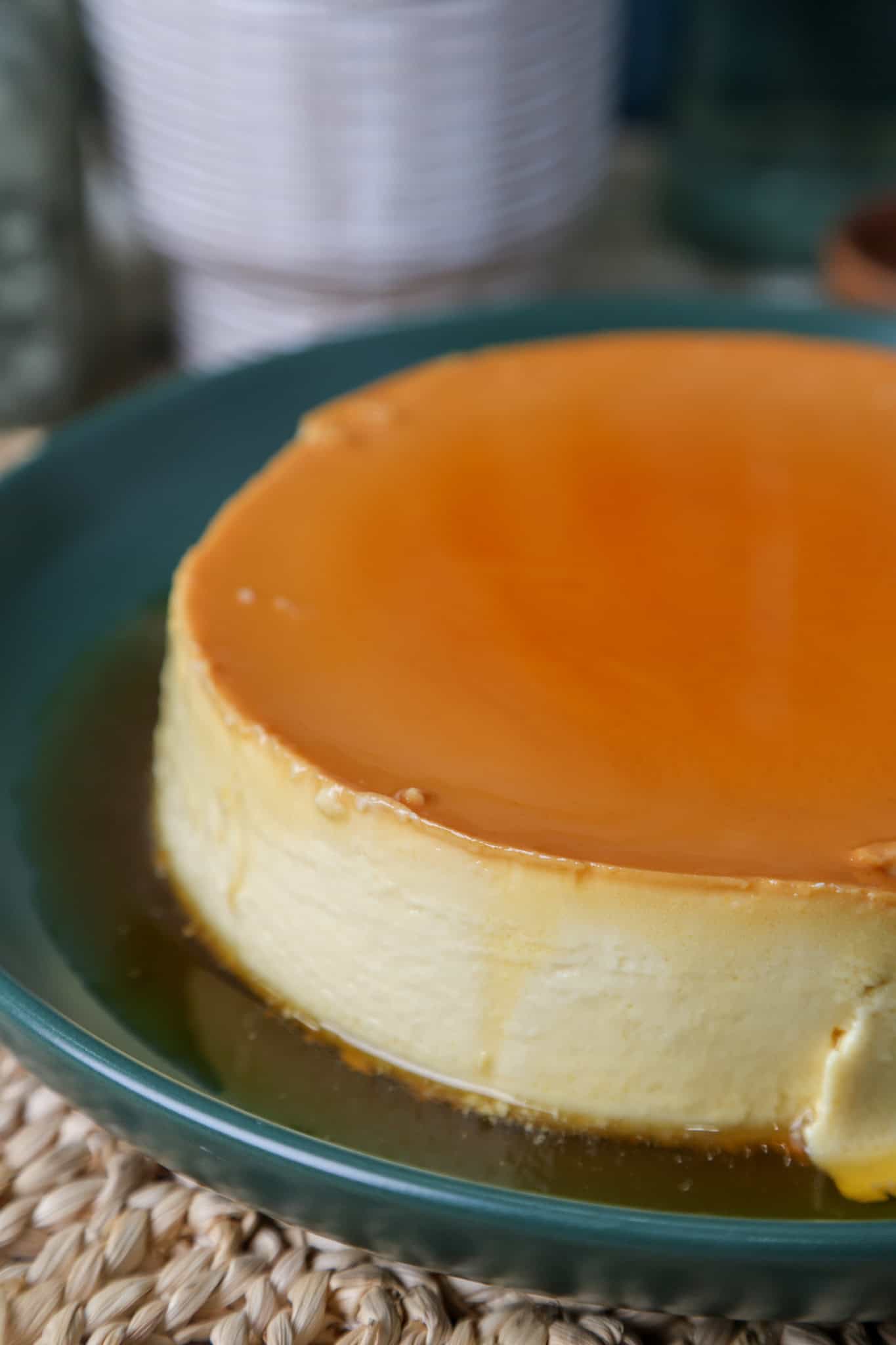
- To remove the custard from the flanera, run a sharp knife along the edge of each ramekin.
- Flip the custard out of the ramekin and onto the plate. If your custard is being stubborn, simply flip it back over and run your knife along the edges again, then place the dish on top and try flipping again.
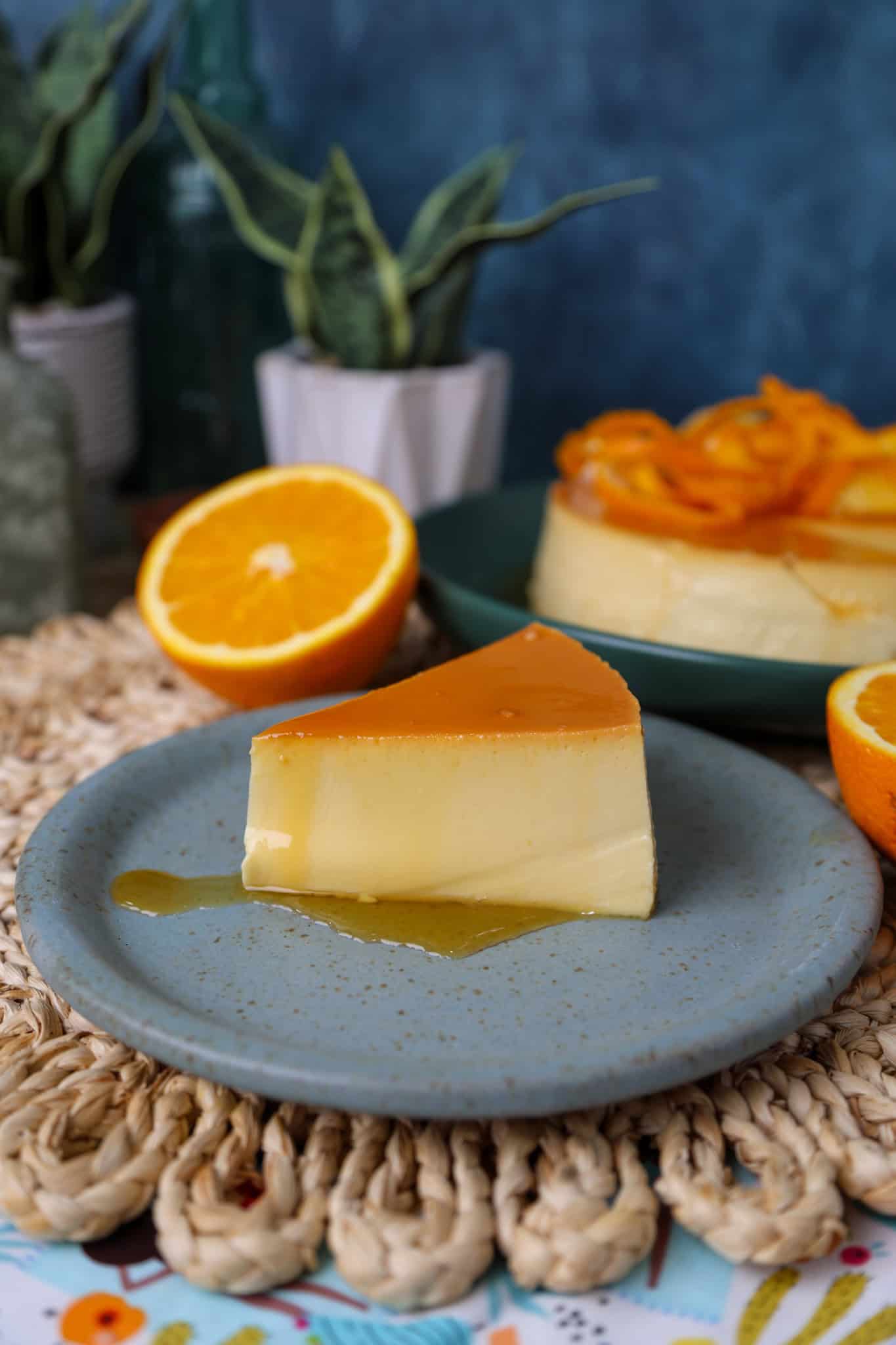
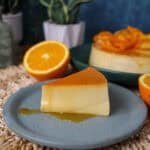
- Garnish with orange segments and orange zest for an added citrus touch.
Flan Recipe tips
Here are some tips to elevate your flan game and create a restaurant-worthy dessert:
- Master the Caramel: A perfect flan starts with a beautiful caramel sauce. Use high-quality sugar and watch it closely as it melts. Don't let it burn, or your flan will have a bitter taste. A trick is to swirl the pan instead of stirring to achieve even browning.
- Don't Overmix: Overmixing the custard can lead to air bubbles, which can cause cracks in your finished flan. Gently whisk together the eggs and milk until just combined.
- Strain the Custard: Straining the custard removes any lumps or cooked egg whites, ensuring a smooth and silky texture in your flan.
- Water Bath is Key: Baking the flan in a water bath creates a gentle and even cooking environment. This helps prevent curdling and ensures a perfectly set custard. Make sure the water level reaches halfway up the flan mold.
- Don't Overcook: A slightly jiggly center is what you're aiming for. An overcooked flan will be tough and rubbery. Insert a knife near the center; it should come out clean with a slight wobble.
- Cooling is Crucial: Let the flan cool completely at room temperature before chilling it in the fridge. This allows the custard to set properly.
- Unmolding with Flan: Once chilled, run a knife around the edges of the flan mold to loosen it. Then, place a serving plate on top and carefully invert the mold. A gentle shake should release the flan.
- Avoid air bubbles in your flan: While your flan bakes, check on it every 30 minutes or so to make sure the water in your water bath doesn't boil or completely evaporate.If you see the water is evaporating or you see bubbles in your water, add 1-2 cups warm water to the bain-marie. A boiling water bath will result in air bubbles/ air pockets in your flan. A proper flan is a creamy custard with no bubbles.
Variations and substitutions for orange infused flan
Flavor variations
Mandarin or Tangerine Flan: If navel oranges aren’t available, mandarins or tangerines work beautifully. They add a sweeter, slightly more delicate citrus flavor.
Spiced Orange Flan: Add a pinch of cinnamon or nutmeg to the custard for a warm, aromatic variation often found in traditional Latin desserts.
Coconut Orange Flan: Replace the evaporated milk with coconut milk for a tropical twist. The coconut pairs wonderfully with orange and creates a richer, creamier custard.
Preparation Tweaks
Individual servings: Use ramekins instead of a large mold
Baking methods: Water bath in oven, pressure cooker, or slow cooker.
Dietary Adaptations
Gluten-free:Traditional flan de naranja is naturally gluten-free!
Lower-fat: Light cream cheese and low-fat milk will work, though texture will be less rich
Lactose-free: Lactose-free milk and cream cheese are available and work well
Storage instructions for orange flavored flan
Proper storage helps keep your orange flavored flan (flan de naranja) smooth, creamy, and full of citrus flavor.
Refrigerator Storage
Once the flan has cooled completely, cover the dish tightly with plastic wrap or transfer slices to an airtight container. Store it in the refrigerator for up to 4 days. Flan actually tastes even better after chilling because the flavors have more time to develop.
Keep the Caramel Sauce
If possible, store the flan with the caramel sauce in the same container. The caramel helps keep the custard moist and prevents it from drying out.
Do Not Leave at Room Temperature
Since flan is a custard made with eggs and milk, it should not sit out for more than 2 hours at room temperature to prevent spoilage.
More recipes to try
Try these other dessert recipes
Flan de Naranja (Orange Flan)
Ingredients
- 1 cup white sugar
- 2 tablespoons water
- 14 oz can sweetened condensed milk
- 12 oz can evaporated milk
- zest of one large navel orange
- 4 oz full fat cream cheese room temperature
- 4 large eggs
- 1 large egg yolks
- ½ teaspoon of salt
- 1 teaspoon vanilla extract
- 1 tablespoon grand marnier
- ⅔ cup fresh orange juice
Instructions
Making the Caramel
- Put the sugar and water in a small saucepan. Shake the pan first to half dissolve the sugar in the water. Then, over a medium-high heat, leave the caramel to form without stirring. Swirl the pan around a bit and wait until the caramel is medium to rich amber color, takes about 10-12 minutes. Be sure to keep an eye on it because it will burn very quickly.
- Pour the amber caramel into your flanera or large ramekin. Swirl the flanera carefully to make sure the entire base of it is well coated with the caramel. Set aside to cool so that the caramel sets.
Make the Custard
- In a large sauce pan or dutch oven place the orange peel, evaporated milk, condensed milk, salt and cream cheese. Place the sauce pan on the stove of low heat and allow to simmer for 15 minutes, stirring occasionally. This mixture should never boil, we're just trying to steep the orange zest so it can release the oils and infuse the milk with flavor. Do not be surprised if the cream cheese doesn't fully break down and is clumpy.
- Remove the sauce pan from the heat and allow the mixture to cool to room temperature. Transfer the entire contents of the sauce pan to your blender. Set the blender to slow speed and add the vanilla extract, grand marnier and eggs/egg yolk one at a time.
- Lastly, while the blender is mixing, very slowly pour in the strained fresh orange juice. By pouring it in slowly you avoid any curdling.
Prepare to Bake
- Place your flanera or large flan ramekin inside a 9x13 pan.
- Prepare to pour your flan into the flanera. While pouring it into the ramekin, have the custard mix go through a fine-mesh strainer to ensure any egg or dulce de leche bits don't make their way into your flan.
- Place the top on your flanera and pour in warm-hot water around the ramekin so that it comes to about half of the way up.
Bake Flan
- Bake for 1 hour and 10 minutes or until set. Remove from the oven carefully and allow to cool slightly on the counter. When cool, transfer to the refrigerator and chill for at least 3 hours.
Flip Flan
- To remove the custard from the flanera, run a sharp knife along the edge of each ramekin.
- Flip the custard out of the ramekin and onto the plate. If your custard is being stubborn, simply flip it back over and run your knife along the edges again, then place the dish on top and try flipping again.
- Garnish with orange segments and orange zest for an added citrus touch.
Notes
Variations and substitutions for orange infused flan
Flavor variations
Mandarin or Tangerine Flan: If navel oranges aren’t available, mandarins or tangerines work beautifully. They add a sweeter, slightly more delicate citrus flavor. Spiced Orange Flan: Add a pinch of cinnamon or nutmeg to the custard for a warm, aromatic variation often found in traditional Latin desserts. Coconut Orange Flan: Replace the evaporated milk with coconut milk for a tropical twist. The coconut pairs wonderfully with orange and creates a richer, creamier custard.Preparation Tweaks
Individual servings: Use ramekins instead of a large mold Baking methods: Water bath in oven, pressure cooker, or slow cooker.Dietary Adaptations
Gluten-free:Traditional flan de naranja is naturally gluten-free! Lower-fat: Light cream cheese and low-fat milk will work, though texture will be less rich Lactose-free: Lactose-free milk and cream cheese are available and work wellStorage instructions for orange flavored flan
Proper storage helps keep your orange flavored flan (flan de naranja) smooth, creamy, and full of citrus flavor. Refrigerator StorageOnce the flan has cooled completely, cover the dish tightly with plastic wrap or transfer slices to an airtight container. Store it in the refrigerator for up to 4 days. Flan actually tastes even better after chilling because the flavors have more time to develop. Keep the Caramel Sauce
If possible, store the flan with the caramel sauce in the same container. The caramel helps keep the custard moist and prevents it from drying out. Do Not Leave at Room Temperature
Since flan is a custard made with eggs and milk, it should not sit out for more than 2 hours at room temperature to prevent spoilage.
Leave a Reply